Developmental editing vs copyediting vs proofreading: which do you need?
What each type of editing does, the order they happen in, and how to decide which your manuscript needs now.
· 2 min read
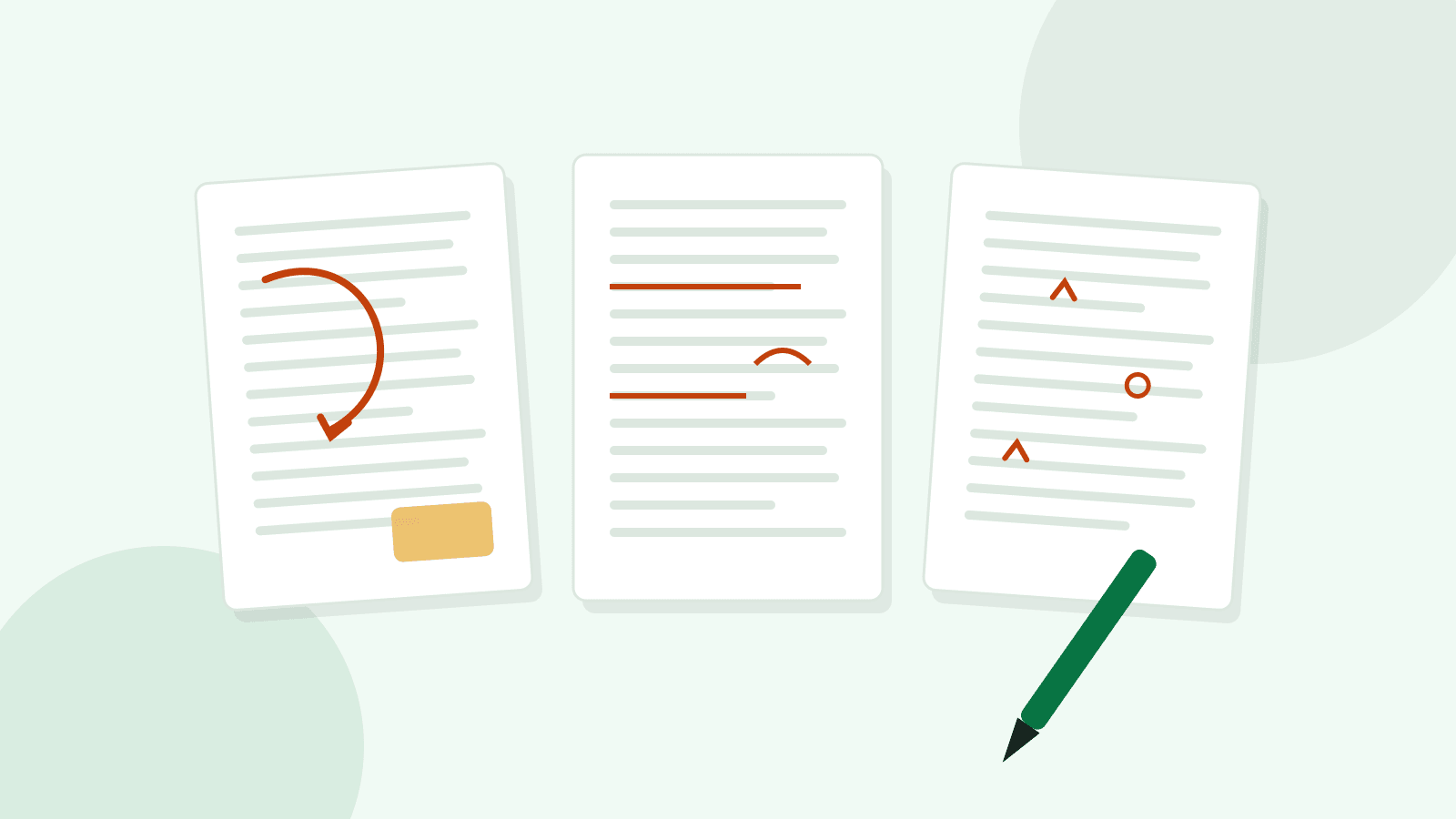
Short answer: developmental editing fixes the big picture (structure, plot or argument), copyediting fixes the sentences (grammar, consistency and clarity), and proofreading is the final check for errors, usually on the formatted pages. They happen in that order. Most books don't need every level, but almost every book benefits from a proofread.
The levels of editing at a glance
| Type | Focus | When | You receive |
|---|---|---|---|
| Developmental (structural) editing | Structure, pacing, character, plot or argument, audience | After a complete draft | Editorial letter and margin notes |
| Line editing | Style, rhythm, clarity and word choice, paragraph by paragraph | After structural revisions | Tracked changes and comments |
| Copyediting | Grammar, spelling, punctuation, consistency, cross-references | Before layout | Tracked changes and a style sheet |
| Proofreading | Remaining typos and layout errors | On final proofs, before publishing | Marked-up proofs |
These definitions follow those used by the Editorial Freelancers Association (EFA) and the Chartered Institute of Editing and Proofreading (CIEP). Editors draw the lines slightly differently, so always check what a quote includes.
What is developmental editing?
The EFA describes developmental editing as dealing with "content, organization, and genre considerations". The editor reads the whole manuscript and explains what isn't working and why: a sagging middle, a confusing timeline, a chapter that repeats an earlier argument. You do the revising, so the book stays yours.
What is copyediting (and line editing)?
Copyediting corrects spelling, grammar, usage and punctuation and keeps the text consistent, for example a character's eye colour, hyphenation or capitalisation. Line editing goes further on style, improving how sentences read. Many editors combine the two.
What is proofreading?
The CIEP calls proofreading "the final stage in the process of producing a piece of text" before publication. A proofreader checks for errors that slipped through and for layout problems introduced during formatting, such as missing page numbers or a heading on the wrong page.
Which edit does my manuscript need?
- You're unsure whether the story or argument works: developmental edit or a shorter manuscript assessment.
- Beta readers liked the story but the writing feels rough: line edit or copyedit.
- The book has been edited and formatted: proofread.
- You can only afford one: tell your editor the budget. A good editor will recommend the level that helps most.
Can I skip a stage?
You can, but skipping in the wrong order costs more. Copyediting text you then restructure wastes the copyedit, and proofreading unedited text turns into a slow, expensive copyedit. Not sure where you are? Start here walks through each stage.
Sources
Platform requirements checked October 2026. Platforms change their rules, so confirm on the linked page before you upload.
Related services
Need help with your book?
Tell us about your project and we'll recommend the right next step.
Request a quoteYour next publishing step, made clearer
Join the Inkswell Wright newsletter for practical publishing tips, useful resources and occasional service offers, about twice a month.
Related articles
 Writing & editing
How ghostwriting turns interviews and ideas into a manuscript
The ghostwriting process step by step: discovery, outline, interviews, sample chapter, drafts and revisions, plus rights, credit and confidentiality.